

Key Takeaways:
- The article highlights Blue Origin's NS-36 mission, a crewed suborbital flight scheduled for October 8, which represents the 15th human flight for the New Shepard program and will carry a six-person crew past the Kármán line.
- The current week's launch manifest includes five SpaceX Falcon 9 missions, comprising four Starlink constellation deployments and one Project Kuiper satellite batch, originating from both Florida and California launch sites.
- A review of the preceding week, September 29 to October 5, notes two U.S. launches: a Rocket Lab HASTE suborbital mission for a government client and a SpaceX Starlink satellite deployment.
- Upcoming missions feature the anticipated eleventh integrated flight test of SpaceX's Starship, targeted for October 13 with objectives including a new landing burn engine configuration and intentional heatshield stress testing, alongside additional Falcon 9 launches.
Mission highlight: Blue Origin to launch 15th human flight
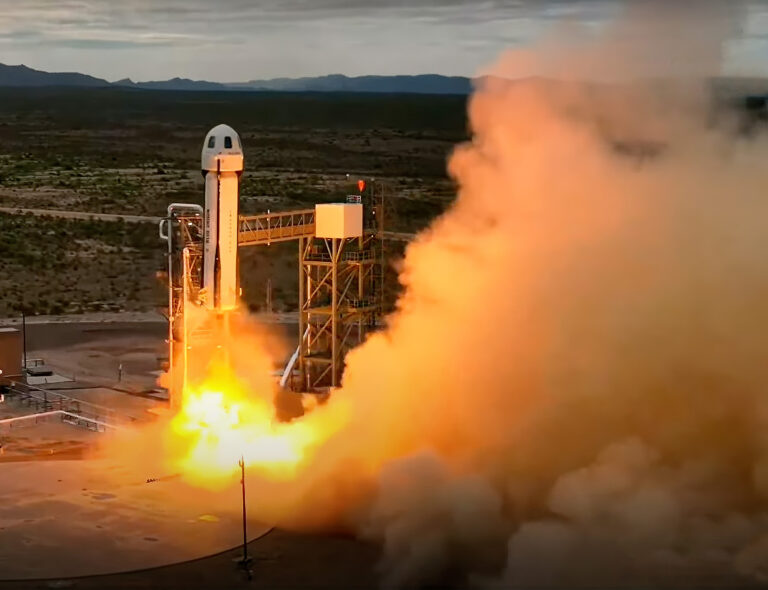
This week’s highlighted mission is a crewed suborbital flight from Blue Origin. The company is planning to launch the NS-36 mission aboard its New Shepard rocket. Liftoff is scheduled for Wednesday, Oct. 8, at 9:00 a.m. EDT from Launch Site One in West Texas. A live webcast will be available at BlueOrigin.com, starting 30 minutes before launch.
This will be the 15th human flight for the New Shepard program. The six-person crew includes Jeff Elgin, Danna Karagussova, Dr. Clint Kelly III, Aaron Newman, Vitalii Ostrovsky, and a sixth member who will remain anonymous until after the flight. This mission marks a return to space for Kelly, who previously flew aboard the NS-22 mission. The flight will carry the crew past the Kármán line, the internationally recognized boundary of space, allowing them to experience several minutes of weightlessness and see the curvature of Earth before returning for a parachute-assisted landing in the Texas desert.
Other missions this week
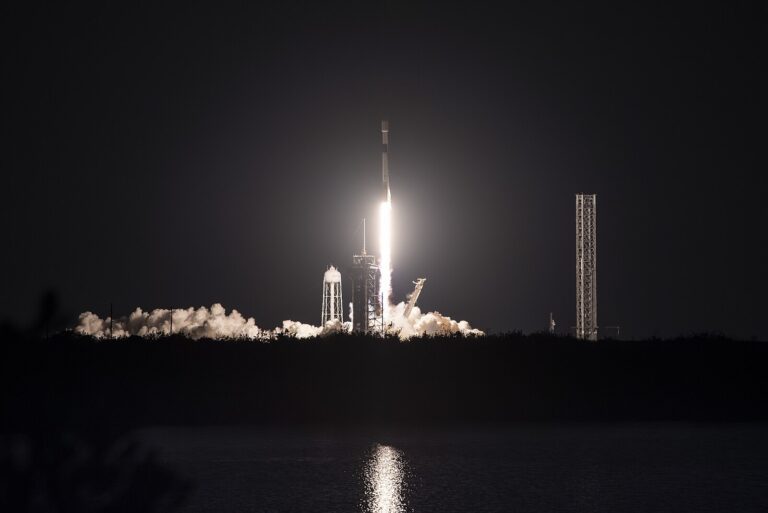
Tuesday, Oct. 7: SpaceX kicks off a busy week with a Falcon 9 scheduled to launch the Starlink Group 10-59 mission from Space Launch Complex 40 (SLC-40) at Cape Canaveral Space Force Station in Florida at 12:13 a.m. EDT.
Wednesday, Oct. 8: A second Falcon 9 will launch Starlink Group 11-17 from Space Launch Complex 4 East (SLC-4E) at Vandenberg Space Force Base in California at 12:00 a.m. EDT.
Thursday, Oct. 9: SpaceX returns to the East Coast to launch Project Kuiper (KF-03), another batch of satellites for Amazon’s low Earth orbit constellation, from SLC-40 at 9:34 p.m. EDT.
Sunday, Oct. 12: A SpaceX doubleheader closes out the week. The first launch sends Starlink Group 10-52 to orbit from Cape Canaveral at 4:11 a.m. EDT. A few hours later, the second mission will launch Starlink Group 11-19 from Vandenberg at 6:59 p.m. EDT.
Last week’s recap
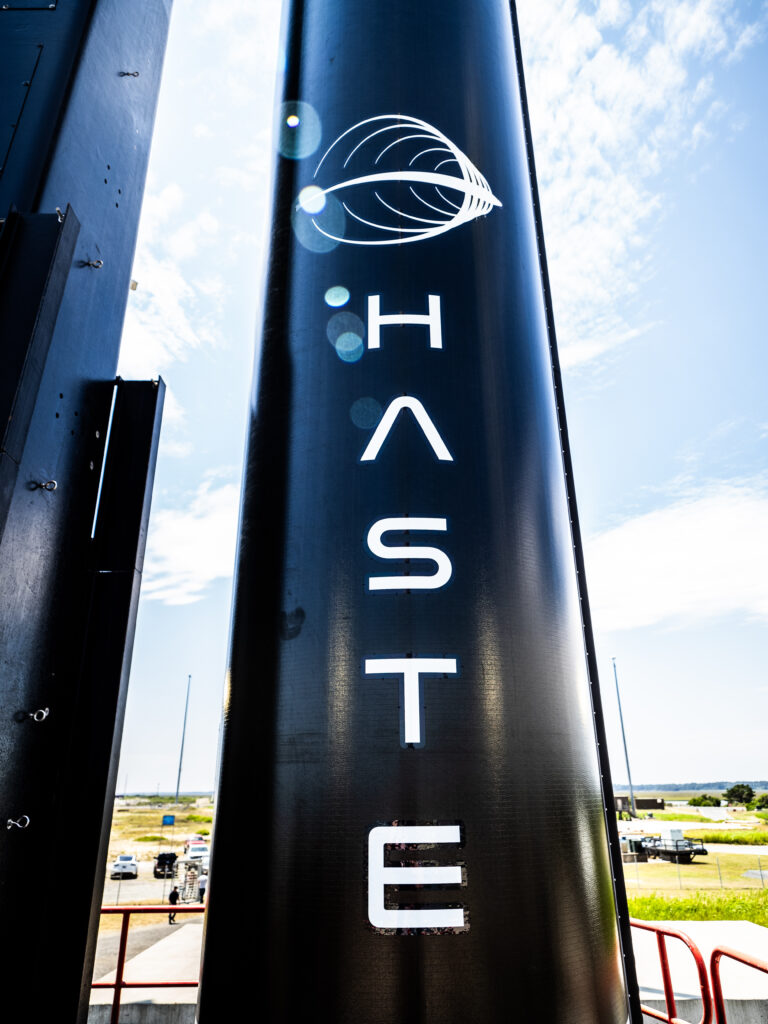
The week of Sept. 29 – Oct. 5 saw two U.S. launches. The week was headlined by Rocket Lab’s Justin mission on Tuesday, Sept. 30, which launched from Wallops Flight Facility in Virginia on a suborbital flight aboard a HASTE vehicle for a U.S. government customer. On Friday, Oct. 3, SpaceX launched the Starlink Group 11-39 batch of satellites from Vandenberg Space Force Base in California.
Looking ahead
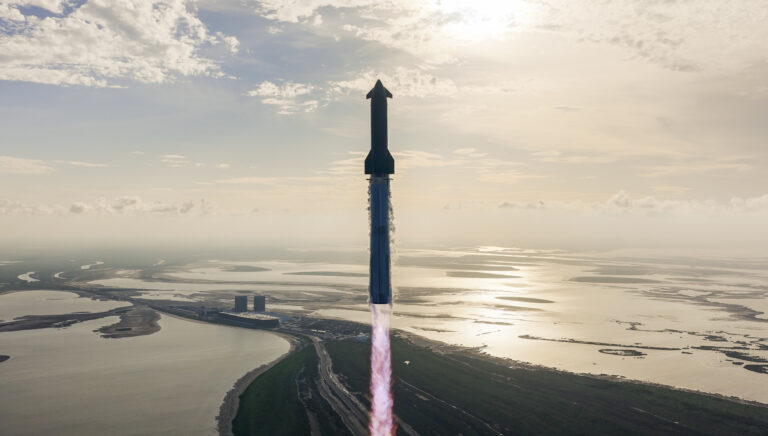
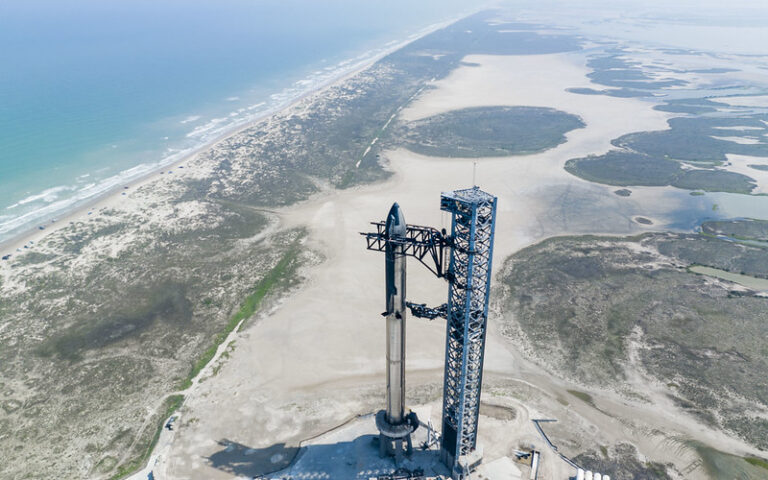
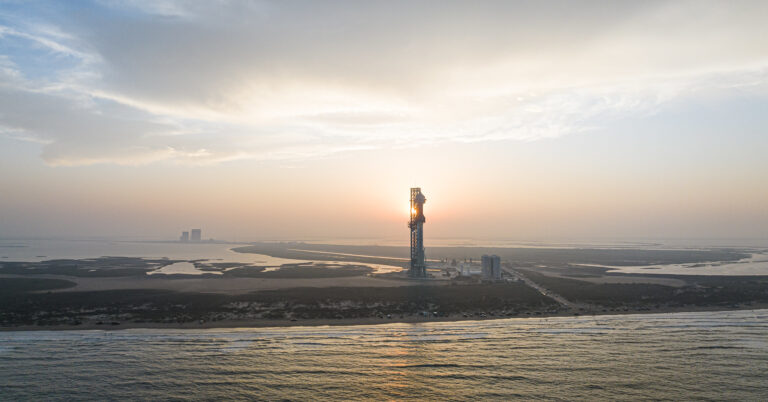
Next week, look for the highly anticipated eleventh integrated flight test of SpaceX’s Starship, scheduled for as soon as Monday, Oct. 13, from Starbase, Texas. This flight will build on previous tests with new objectives, including demonstrating a new landing burn engine configuration for the Super Heavy booster and intentionally stress testing Starship’s heatshield by removing some thermal protection tiles. These developmental tests are important steps toward creating a fully reusable launch system, which is foundational to NASA’s Artemis program. Starship is slated to serve as the Human Landing System that will return astronauts to the lunar surface. Also on the manifest is a Falcon 9 launch of the Tranche 1 Transport Layer C mission for the Space Development Agency from Vandenberg on Oct. 14, and a Starlink Group 10-17 mission from Cape Canaveral on Oct. 15.